


 27/03/2026
Waiting for the flood, the geopolitical dimension
by Adrian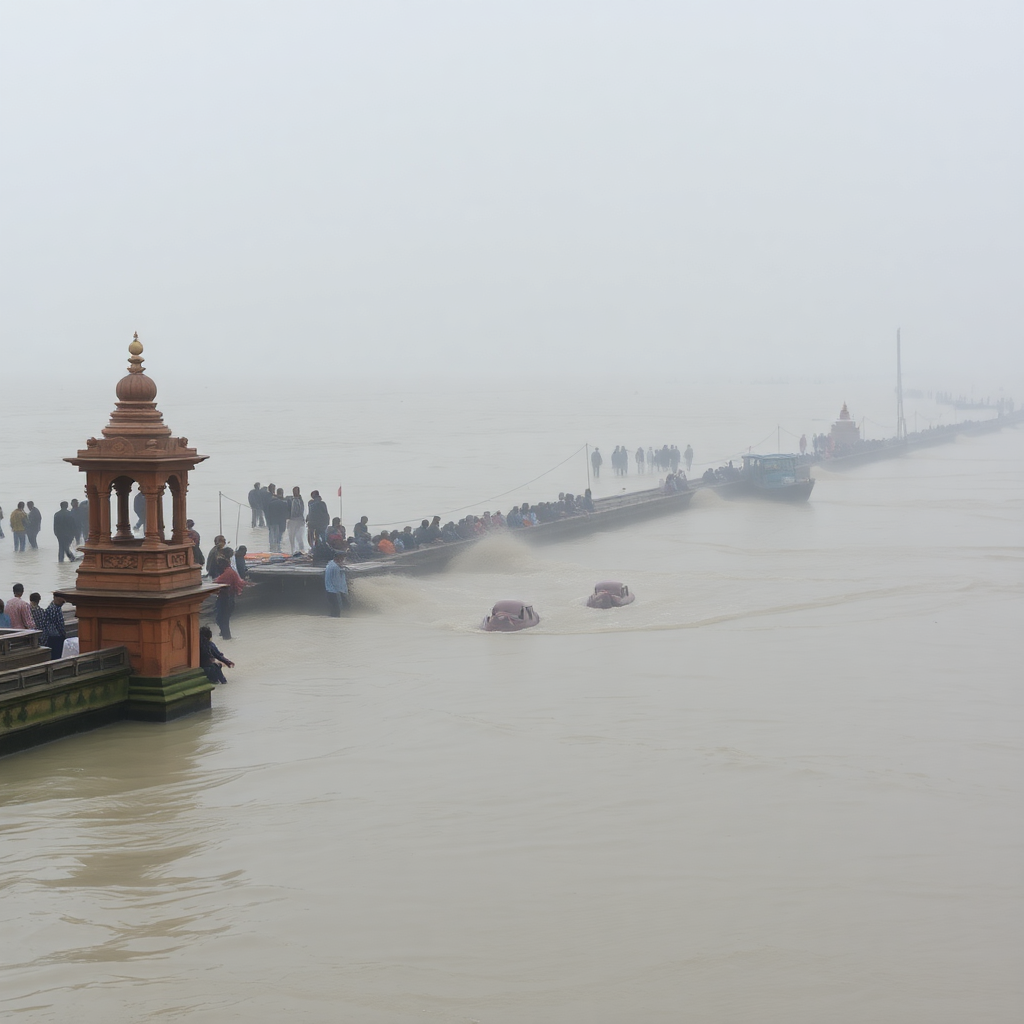
I once heard Pierre Wacq speak at a Global Business Network event. He was key to introducing scenario thinking in Shell. One of the points he made was simple: if you notice heavy rainfall takes place in the Himalaya mountains, you can expect that a couple of days later the Ganges at Varanasi will flood. In other words, the future is not always uncertainty, actions will have consequences that can be anticipated. And right now, there is heavy “rainfall” (if only it were) around Iran, Israel and the Arabian Gulf. So (in this piece) what are the geopolitical floods that will hit Varanasi (short-term) soon?
- Putin gains. Its oil is no longer sanctioned, and oil prices have increased, meaning more cash to buy missiles, mercenaries and media propaganda.
- Ukraine suffers. With the US firing its stocks of weapons at Iran, none are left for Ukraine, or indeed for other American allies who decided to “buy American”.
- NATO cringes. Despite Mr Rutte’s best attempts, the vituperative tone from Washington regarding NATO allies will have escaped nobody’s notice.
- China smiles. With President Trump having withdrawn 2000 US marines from East Asia, and shown that “Might is Right”, the door is open to take Taiwan.
But what will happen when the flood reaches the Bay of Bengal (longer term)? Here there are uncertainties, especially as the persistence or not of rainfall (war, ceasefire, or peace with Iran) will have an impact:
- Gulf States shocked? Will they feel even more dependent on the US for security, or decide to reach out even more to China?
- Israel exhausted? Will the years of war since the horrendous attack by Hamas on Israel generate a yearning for peace in the population?
- Europe inspired? Will Europe in one form or another (EU, E6, EPC…) finally take responsibility for its own security?
- All proliferated? Will multiple states (not just Iran) decide that the only way to be sure in this world, is to own nuclear weapons, leading to a proliferation race?